
How to Wake up Heavy Sleepers: A Practical Guide for 2026
How To Wake Up Heavy Sleepers strategies for October 2026 combine high-decibel audio alerts, tactile bed shakers, and persistent wake-up cues for deep sleep.
 By McKenzie Dillon
Updated October 6, 2026
By McKenzie Dillon
Updated October 6, 2026
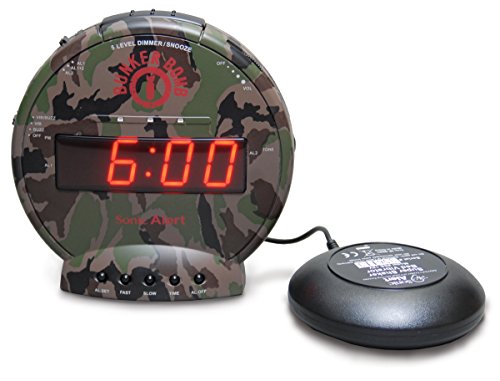
Sleeping through gentle chimes or modern smartphone notifications is a familiar morning frustration for millions of deep sleepers. Standard bedside devices often lack the acoustic punch or multi-sensory stimulation needed to disrupt rapid eye movement stages and disperse lingering sleep inertia. Understanding how to wake up heavy sleepers requires looking beyond basic digital buzzers toward dedicated high-output hardware that targets both auditory and tactile sensory pathways. When subtle audio prompts fail to arouse the nervous system, sleepers frequently turn to specialized equipment like a sunrise alarm clock for heavy sleepers or dedicated mechanical bed shakers to establish dependable wake routines.
Dependable morning arousal relies on multi-modal sensory triggers rather than a single repetitive tone that the sleeping brain quickly tunes out. High-output bedside clocks solve this dilemma by combining penetrating acoustic alarms reaching up to 113 decibels with pulsing vibration pucks placed directly under mattresses or pillows. Auxiliary visual cues like flashing alert lights further reinforce the wake response by penetrating closed eyelids without relying purely on ear-splitting volume. Evaluating how these dedicated sensory modalities interact allows individuals, college students, and shift workers to configure reliable schedules that prevent oversleeping and eliminate morning panic.
| Award | Product | ACR Score About ACR ScoreThe ACR Score is our own rating from 0 to 10, based on performance, design and build, ease of use, and value. It reflects independent research and is never influenced by manufacturers, retailers, or affiliate commissions. Learn more › | |
|---|---|---|---|
| Best Overall |
Sonic Bomb Camo Dual Alarm Clock with Bed Shaker
|
9.1/10 | Buy |
| Best Budget |
 La Crosse Technology Buzz Vibrating Digital Alarm
|
8.8/10 | Buy |
 Sonic Alert Sonic Bomb Dual Alarm Clock
|
8.8/10 | Buy | |
 Sonic Alert Sonic Bomb Dual Extra Loud Alarm Clock
|
8.1/10 | Buy | |
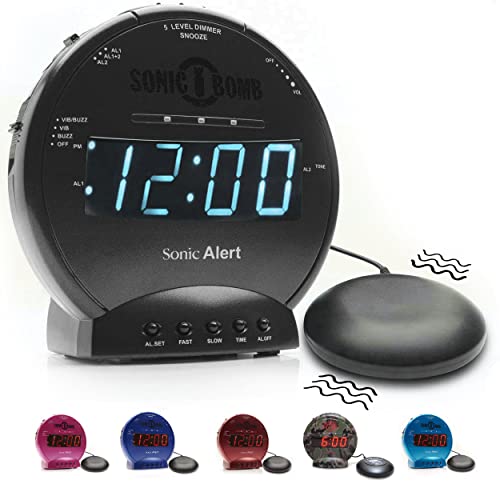 Sonic Alert Sonic Bomb Dual Alarm Clock with Bed
|
8.0/10 | Buy |
Sonic Bomb Camo Dual Alarm Clock with Bed Shaker
Built specifically for profound sleepers and the hard of hearing, the Sonic Bomb Dual Alarm Clock pairs an intense 113dB siren with a powerful bed-shaking unit and pulsating red alert lights. It is a high-intensity, dependable wake-up solution for students, shift workers, and heavy sleepers who routinely sleep through standard smartphone alarms.
Pros
- Loud 113dB adjustable siren paired with an external bed shaker wakes even the heaviest sleepers
- Vibration-only mode allows deep sleepers to wake up without blaring noise disturbing roommates or partners
- Flexible customization options for both snooze intervals (1-30 mins) and alarm runtimes (1-59 mins)
- Flashing red LEDs deliver an extra sensory prompt for hard-of-hearing users and deep slumber
Cons
- Intense high-decibel buzzer and vigorous bed vibration may feel jarring for light-sensitive or gentle sleepers
- Lacks modern nightstand conveniences such as built-in USB charging ports or wireless phone pads
- Tethered cord connecting the bed shaker puck requires tidy cable routing to avoid nightstand tangles
La Crosse Technology Buzz Vibrating Digital Alarm
The La Crosse Technology Buzz 617-147 is an ultra-compact digital alarm clock featuring intense vibration alerts, audible beeps, and a dual-purpose protective cover that doubles as a sturdy silicone-based stand. It is a dependable choice for travelers, heavy sleepers, and minimalists looking for a portable, phone-free wake-up solution.
Pros
- Tactile vibration mode allows waking without loud audible noise or can combine with beeps for deep sleepers
- Protective cover prevents accidental button presses during transit and doubles as an angled desk stand
- Non-slip silicone base keeps the small timepiece anchored on nightstands and slick surfaces
- On-demand backlight automatically turns off quickly to preserve a completely dark sleeping environment
- Pocket-sized footprint takes up minimal nightstand space and adds virtually no weight to carry-on bags
Cons
- Compact display size is designed for close bedside viewing rather than reading from across a large room
- Backlight does not remain continuously lit for sleepers who prefer a constant nighttime clock display
- Lacks integrated phone-charging ports or FM radio capabilities found on larger stationary nightstand clocks
Sonic Alert Sonic Bomb Dual Alarm Clock
Engineered specifically for deep sleepers and hard-of-hearing users, this unit pairs an ear-splitting 113 dB buzzer with a powerful mattress-vibrating puck. Red flashing alert lights and customizable snooze intervals ensure even the most stubborn sleepers wake up on time.
Pros
- Powerful 113 dB volume reaches the deepest sleepers
- Mattress shaker puck provides strong physical wake-up stimulation
- Flexible alert modes including silent vibration and combo
- Built-in red flashing lights enhance visual alerting
- Highly customizable alarm duration and snooze intervals
Cons
- Extremely loud alarm can disturb roommates or housemates
- Requires placing an extra shaker puck in bed
- Intense multi-sensory alert may feel jarring for light sleepers
Sonic Alert Sonic Bomb Dual Extra Loud Alarm Clock
The Sonic Alert Sonic Bomb is an intense bedside alarm clock pairing an adjustable 113dB siren with a physical bed-shaking vibration puck and red flashing alert lights. It is an ideal pick for deep sleepers, students, shift workers, and hearing-impaired individuals who consistently sleep through standard phone alarms.
Pros
- Massive 113dB maximum volume output easily cuts through heavy sleep cycles
- Included bed shaker puck offers a reliable tactile wake-up alternative for hard-of-hearing sleepers
- Three versatile notification modes (vibrate, buzz, or combo) provide customizable morning alerts
- Flexible controls let users fine-tune alarm duration (1-59 mins) and snooze duration (1-30 mins)
- Pulsing red alert lights add an extra layer of visual urgency in dark bedrooms
Cons
- The high volume and vigorous mattress shaker will likely disturb sleeping partners or light-sleeping roommates
- Does not include modern convenience features like built-in USB charging ports or wireless charging pads
- Aggressive industrial design with bold accents may not blend with subtle or traditional bedroom decor
Sonic Alert Sonic Bomb Dual Alarm Clock with Bed
The Sonic Alert Sonic Bomb Dual Alarm Clock pairs a high-output 113 dB siren with a bed-shaking puck and flashing red lights to wake heavy sleepers. With dual alarms and customizable snooze intervals, it is a practical bedside solution for deep sleepers, students, and hard-of-hearing individuals.
Pros
- Reaches up to 113 dB with adjustable volume controls tailored for heavy sleepers and hard-of-hearing users
- Powerful bed shaker puck offers a tactile wake-up alternative without disturbing roommates when set to vibration-only
- Pulsing red alert lights provide unmistakable visual wake-up prompts in dark bedrooms
- Adjustable snooze time (1 to 30 minutes) and custom alarm duration (1 to 59 minutes)
- Dual alarm settings accommodate differing schedules for couples or varying morning routines
Cons
- Lacks integrated USB or wireless charging ports for bedside smartphones
- The intense 113 dB buzzer and flashing red lights can startle light-sleeping partners or pets in shared spaces
- Tethered bed shaker cable requires mindful cord routing between the nightstand and mattress
Comprehensive Strategies for Waking Heavy Sleepers Reliably
Waking a heavy sleeper requires an aggressive shift in sensory stimulation rather than relying on weak smartphone speakers or subtle melodies. Sleepers resting in deep slow-wave stages exhibit elevated arousal thresholds that easily tune out monotonous digital beeps. Combining high-decibel acoustic output with physical bed vibration and flashing visual pulses provides the neurological disruption needed to terminate deep sleep. Implementing dedicated waking hardware ensures that mornings begin with immediate alertness rather than involuntary, repetitive snooze cycles.
Sensory Triad: Combining High Decibels, Tactile Vibration, and Flashing Light
Standard alarm clocks fail deep sleepers because the brain rapidly adapts to predictable audio cues through sensory habituation. When a person hears the exact same digital chime day after day, the thalamus suppresses that auditory input to protect uninterrupted rest. Overcoming this neural filter requires a multi-sensory awakening strategy that triggers several neurological pathways at the exact same moment. Hardware systems that pair auditory alerts with tactile vibration and optical strobe flashes prevent the sensory gating mechanism from ignoring the wake signal.
Visual stimulation provides an essential secondary prompt when waking someone whose hearing is dulled by intense sleep inertia. Clocks equipped with flashing red alert lights, such as the Sonic Alert Sonic Bomb platform, project bright intermittent illumination across the bedroom. Even through closed eyelids, alternating flashes of red light stimulate photoreceptors and prompt the reticular activating system to initiate morning wakefulness. This optical prompt acts as an immediate companion to loud audio alerts, ensuring that sleepers who roll away from sound still receive waking stimuli.
The combination of light, kinetic movement, and acoustic pressure creates an alert environment that cannot be easily dismissed while half-conscious. Many sleepers discover that auditory tones alone leave them groggy, leading to automatic reaching for the snooze bar without full conscious awareness. Introducing distinct sensory inputs forces the brain to process spatial, tactile, and optical signals concurrently. This comprehensive sensory engagement disperses mental fog much faster than a lone bedside tone ever could.
The Mechanics and Placement of Bed-Shaker Vibration Pucks
Tactile bed-shaker units, often called vibrating pucks or super shakers, serve as the primary mechanical component for rousing deep sleepers. These pucks house a compact motorized eccentric weight that generates intense low-frequency kinetic vibrations when the alarm triggers. Instead of waiting for sound to penetrate heavy blankets and pillows, the physical vibration travels directly through bedding to stimulate somatic mechanoreceptors in the body. This direct physical contact delivers a sudden somatic wake-up call that bypasses acoustic habituation entirely.
Positioning the vibrating puck correctly within the bed setup directly impacts its overall waking effectiveness. Placing the shaker directly beneath the pillow provides the most immediate jolt, making it ideal for individuals who struggle with extreme morning grogginess. Sleepers who find pillow placement too jarring can position the puck between the top mattress and box spring or beneath a fitted mattress pad. Securing the connecting cord along the headboard prevents the puck from shifting out of reach or pulling away from the bedside clock base during nighttime movement.
Versatile hardware options offer distinct operational modes to match individual sensitivity and household sleep environments. Devices like the Sonic Bomb Dual Alarm Clock with Bed Shaker feature three operational settings: vibration only, audible buzzer only, or a synchronized combination of both. Selecting vibration-only mode allows college students or shift workers to wake on time without disturbing roommates or sleeping partners. Conversely, activating the dual vibration and buzz setting provides the maximum sensory assault necessary for chronic oversleepers.
Auditory Thresholds and Bedside Decibel Safety
Sound pressure plays a decisive role in cutting through deep stages of slumber, but raw volume requires careful acoustic management. Heavy sleeper alarm clocks frequently generate sound outputs reaching up to 113 decibels, which rivals the acoustic intensity of emergency sirens or live music events. While this extreme sound level provides a rapid arousal response, placing an unadjusted speaker inches from a sleeper’s ear can cause unnecessary auditory discomfort. Understanding how to manage volume settings protects long-term hearing health while still supporting morning punctuality.
Adjustable volume controls and tone potentiometers allow users to calibrate acoustic output to the minimum level needed to break deep sleep. Gradual tuning ensures that the alarm sounds loud enough to penetrate earplugs or heavy blankets without causing an overwhelming acoustic blast. The Sonic Bomb alarm platform incorporates dials that allow sleepers to tailor both the sound level and the pitch frequency of the buzzer. Modulating the pitch between low and high frequencies prevents the ear from growing accustomed to a single static tone over consecutive weeks.
Nightstand positioning also influences the perceived decibel impact across the bedroom. Placing a high-decibel clock across the room rather than directly beside the pillow reduces direct acoustic pressure on the eardrum while compelling the sleeper to physically exit bed. Sound waves naturally dissipate across distance, providing an effective wake-up volume without localized auditory strain. This physical separation also eliminates the dangerous habit of groggily reaching across the nightstand to silence the clock before conscious wakefulness occurs.
Managing Snooze Cycles and Extended Alarm Durations
Traditional bedside clocks typically feature hardcoded snooze cycles lasting five to nine minutes, which often perpetuates fragmented sleep and worsens morning grogginess. Falling back asleep for several minutes plunges the brain back into the beginning of a fresh sleep cycle, intensifying sleep inertia when the alarm rings again. Advanced digital clocks address this by offering customizable snooze intervals that users can adjust from 1 to 30 minutes. Setting a shorter snooze duration keeps the nervous system alert, preventing the brain from drifting back into slow-wave delta sleep.
Adjustable alarm duration controls provide another crucial defense against chronic oversleeping. Basic alarms often shut off automatically after ten or fifteen minutes if left unattended, leaving heavy sleepers snoring peacefully through important morning commitments. Heavy-duty units allow users to configure continuous alarm runtimes spanning anywhere from 1 to 59 minutes. A prolonged alarm cycle forces the sleeper to acknowledge the device, ensuring that persistent audio and vibration continue until physical action is taken to disarm the unit.
Establishing strict alarm duration limits also trains the mind to respond immediately to morning prompts. When a sleeper knows that an alarm will persist for nearly an hour alongside a bed shaker, the temptation to ignore the signal evaporates. Pairing a shortened snooze window with a lengthy alarm duration creates an environment where staying in bed becomes uncomfortable. Over time, this mechanical structure encourages faster cognitive arousal and smoother transitions out of bed.
Power Reliability and Operational Battery Backup Architecture
Electrical outages, overnight voltage drops, and accidental cord disconnections represent catastrophic risks for individuals who rely on electronic alarms. A digital clock that loses synchronization during a storm can silently reset to midnight, leaving its owner with no morning alert. Reliable hardware platforms incorporate battery backup compartments to safeguard vital alarm routines against grid volatility. However, understanding the functional difference between time-retention circuits and active operational backup is critical for heavy sleepers.
Many standard bedside clocks utilize passive memory retention, where an internal coin cell or backup battery preserves the digital time without sounding the buzzer during a blackout. In contrast, heavy-duty wake systems designed for deep sleepers prioritize power continuity to ensure alarms trigger even when residential electricity fails. Units from manufacturers like Sonic Alert utilize dedicated battery backup systems designed to maintain internal settings during temporary power disruptions. Checking and replacing these backup batteries on a routine schedule helps ensure that seasonal storms or tripped bedroom breakers never lead to missed appointments.
Proper battery compartment maintenance ensures that backup power remains functional when unexpected electrical emergencies occur. Inspecting battery contacts for corrosion and ensuring fresh alkaline cells are installed provides essential peace of mind. Keeping the primary alternating current wall adapter firmly plugged into an unswitched wall outlet prevents accidental disconnections caused by nighttime cord movement. A dependable power architecture serves as the foundation for any serious wake-up system.
Stationary Bedside Clocks Versus Compact Travel Units
Wake-up requirements often shift when transitioning from a permanent bedroom setup to business travel or college dorm life. Stationary bedside units, like the Sonic Bomb Dual Alarm Clock models, offer expansive displays, dual alarm schedules, and large wired vibration pucks designed for permanent nightstand duty. These full-sized units provide high acoustic ceilings and comprehensive feature sets that excel in spacious home bedrooms. Their robust footprint and direct wall-power connections make them the standard choice for chronic oversleepers who need consistent morning enforcement.
Frequent travelers and campers require a more portable approach to tactile waking that does not demand access to standard wall outlets. The La Crosse Technology 617-147 Buzz Digital Alarm addresses this need with a compact, rugged casing and a specialized stand that doubles as a protective button cover. Built with a silicone base for tabletop stability, this portable unit combines intense physical vibration alerts with distinct beeping tones in a travel-ready form factor. A single-touch backlight illuminates the digital display long enough for a quick time check without disturbing a dark hotel room or tent.
Evaluating lifestyle requirements helps determine whether a stationary powerhouse or a compact travel clock best serves your waking routine. College students in tight dormitories often benefit from the smaller footprint of portable vibration clocks, especially when nightstand space is limited. Meanwhile, households managing split shifts or demanding morning schedules typically favor stationary dual-alarm models with customizable snooze durations. Matching the physical footprint and power supply to the immediate sleep environment ensures long-term consistency wherever you sleep.
Integrating Environmental Cues and Bedside Ergonomics
Optimizing the surrounding sleep space enhances the effectiveness of any mechanical waking device. Integrating a well-designed bedside setup, such as one of the top-rated bedroom alarm clocks, allows sleepers to manage ambient nightstand clutter while keeping controls within comfortable reach. Physical button layouts deserve close attention, especially for individuals who wake in a disoriented state. Dedicated sliding switches for alarm activation prevent accidental setting changes that often occur when sleepily searching for the snooze button.
Tactile separation between the snooze bar and the main alarm off switch is vital for preventing unintentional disarming. When buttons are clustered closely together on a flat panel, groggy hands frequently press the wrong control and cancel the alarm routine entirely. High-quality digital clocks feature prominent, oversized snooze bars with distinct textures that clearly separate them from reset switches. This ergonomic differentiation allows users to pause the alarm safely without inadvertently turning off the entire wake sequence.
Display visibility also contributes significantly to low-stress morning awakenings. High-contrast digital readouts allow sleepers to verify the current time across a dark bedroom without straining their eyes or fumbling for glasses. Units with quick-glance backlights or multi-level dimming controls protect melatonin production during the night while ensuring immediate legibility at dawn. Combining readable displays with tactile controls and powerful waking modalities creates a comprehensive nightstand system that supports healthy sleep hygiene alongside punctuality.
Practical Routine Adjustments for Sustained Morning Alertness
Hardware solutions achieve the best results when paired with consistent behavioral habits that reinforce morning wakefulness. Placing an alarm clock several steps away from the mattress eliminates the physical possibility of reaching over and hitting snooze without standing up. Once feet hit the floor and the body becomes vertical, blood circulation increases and the brain begins dispersing accumulated sleep hormones. This simple physical requirement transforms a passive auditory prompt into an active, conscious morning routine.
Establishing a regular sleep-wake schedule further conditions the internal circadian rhythm to anticipate morning alerts. Going to bed at consistent hours reduces the intensity of deep sleep inertia, allowing tactile shakers and audio alarms to work more smoothly. When the body expects to wake at a predictable time, sensory arousal occurs with less cardiovascular shock and reduced morning grogginess. Heavy sleepers who combine reliable vibration hardware with disciplined sleep schedules establish long-term morning punctuality that lasts.
About the author
McKenzie Dillon is a Certified Sleep Science Coach and experienced sleep-product editor who has personally tested dozens of sleep products. Her expertise bridges sleep technology, product evaluation, and practical guidance for creating more comfortable sleep and wake-up routines.