
How to Set up Sunrise Alarm Clock: A Practical Guide for 2026
Master how to set up sunrise alarm clock hardware for gentle mornings and dark bedrooms in this October 2026 guide.
 By Daniel Noyed
Updated October 6, 2026
By Daniel Noyed
Updated October 6, 2026
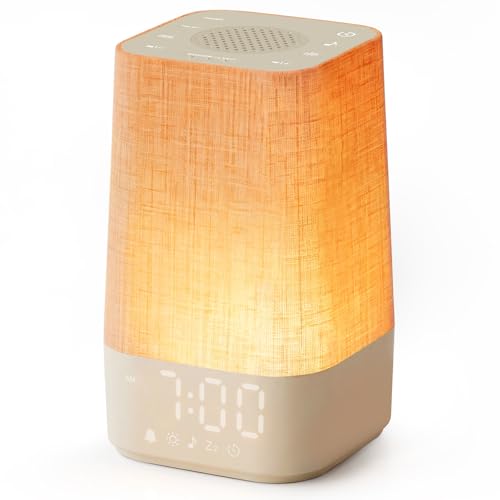
Waking up to a sudden, piercing buzzer triggers an abrupt spike in heart rate and leaves many people fighting heavy morning brain fog. Gradual light changes offer a far gentler biological alternative by signaling to your body that morning has arrived before any sound ever plays. Learning how to set up sunrise alarm clock hardware properly ensures your bedroom transforms into a supportive sleep sanctuary rather than an anxiety-inducing echo chamber. From adjusting your light ramp duration to dialing back display glare at night, the right initial configuration makes a noticeable difference in how rested you feel when your feet hit the floor. If you have previously relied on traditional buzzers, exploring sunrise alarm clocks for heavy sleepers reveals how dialing in optical and acoustic settings fundamentally changes morning wakefulness.
Many modern bedside devices combine simulated dawn transitions with soothing soundscapes, evening sleep timers, and integrated dimmers. Achieving the best results requires balancing physical nightstand placement with thoughtful programming tailored to your sleep schedule. Placing the light at the correct angle allows the gradual lumens to penetrate closed eyelids during light sleep cycles without causing disruptive daytime glare. Pairing this gentle illumination with options found on top-rated alarm clocks for bedrooms lets you banish smartphone notifications completely while establishing an unbroken circadian rhythm. Taking ten focused minutes to adjust your settings today creates effortless, dependable mornings for months to come.
| Award | Product | ACR Score About ACR ScoreThe ACR Score is our own rating from 0 to 10, based on performance, design and build, ease of use, and value. It reflects independent research and is never influenced by manufacturers, retailers, or affiliate commissions. Learn more › | |
|---|---|---|---|
| Best Overall |
Wkzay Sunrise Alarm Clock with Sound Machine
|
9.2/10 | Buy |
| Best Premium |
 Odokee Sunrise Alarm Clock and Sound Machine
|
9.1/10 | Buy |
| Best Budget |
 ANTDALIS Sunrise Alarm Clock with Wake Up Light
|
8.9/10 | Buy |
| Best Value |
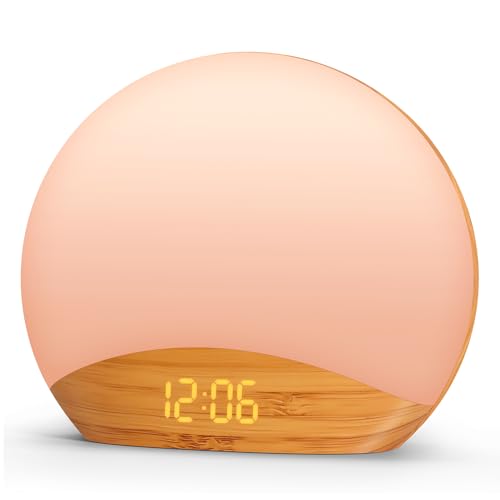 REACHER Wood Grain Sunrise Alarm Clock with 26
|
8.4/10 | Buy |
 JALL Full-Screen Sunrise Alarm Clock with Wake-Up
|
8.1/10 | Buy | |
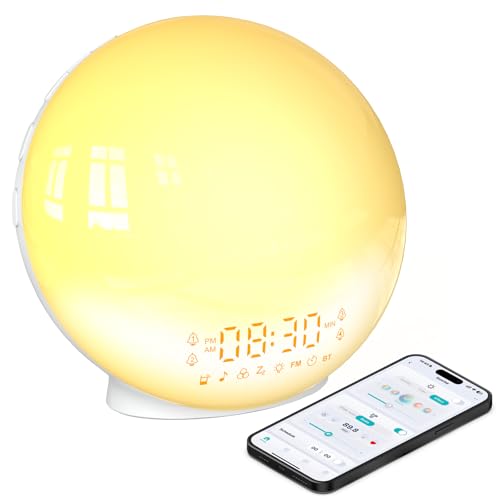 BIB_WJ Smart Sunrise Alarm Clock with Wake-Up
|
7.8/10 | Buy |
Wkzay Sunrise Alarm Clock with Sound Machine
The Wkzay Sunrise Alarm Clock combines a customizable 10-60 minute dawn simulation with an integrated 30-track sound machine and a 5-level dimmable display. It is a practical bedside solution for light sleepers and alarm-sensitive adults seeking a gentler morning routine without abrupt buzzer noise.
Pros
- Wide selection of 30 soothing sounds (10 white noise and 20 nature tracks) for bedtime relaxation and sleep masking.
- Adjustable 10-60 minute dawn progression supports gentle, light-first waking without sudden, jarring alarms.
- Fine-grained 32-level volume control prevents large, abrupt jumps in sound output.
- Backlit buttons allow easy navigation in dark bedrooms without turning on overhead lighting.
- Flexible sleep timer spans 30 to 480 minutes with an optional continuous play mode.
Cons
- Display dimming operates across 5 fixed steps rather than a stepless 0-100% rotary slider.
- Lacks dedicated dual-alarm programming for separate weekday and weekend schedules.
- Does not feature integrated USB charging ports or wireless device charging pads.
Odokee Sunrise Alarm Clock and Sound Machine
The Odokee Sunrise Alarm Clock combines a gradual 5-to-60-minute wake-up light with a 25-sound sleep machine, full-range 0-100% display dimmer, and app-free physical controls. It is a practical bedside upgrade for sleepers seeking a gentler morning routine without smartphone clutter on the nightstand.
Pros
- Stepless 0-100% display dimming allows users to lower nightstand illumination to comfortable levels for light-sensitive sleepers
- Wide selection of 25 sleep sounds across four distinct noise colors provides tailored acoustic masking for street noise or snoring
- No smartphone application or wireless account setup required, ensuring complete offline nightstand functionality
- Customizable sunrise duration between 5 and 60 minutes adapts easily to fast risers or sleepers who need an extended dawn progression
- Silent wake-up mode with sunrise light alone enables early risers to wake without jarring a sleeping partner
Cons
- Product specifications do not list a battery backup feature to preserve timekeeping during electrical power interruptions
- The 7-inch by 7-inch circular housing requires a moderate amount of dedicated surface area on compact nightstands
- Lacks Wi-Fi synchronization or mobile app integration for users who prefer smartphone-managed alarm schedules
ANTDALIS Sunrise Alarm Clock with Wake Up Light
The ANTDALIS Sunrise Alarm Clock combines a 30-minute progressive dawn simulation light with 7 natural wake-up sounds and 10 volume levels. Designed with responsive touch snooze and dimmable multicolor lighting, it suits sleepers seeking a gentler morning transition without jarring standard buzzers.
Pros
- Gradual 30-minute dawn simulation transitions smoothly from soft red to bright white light
- Selection of 7 natural audio wake-up profiles paired with 10 adjustable volume levels
- Convenient touch-sensitive controls for quick snooze access and light dimming
- Versatile 20-color nightlight functionality suitable for bedside reading and ambient bedroom lighting
Cons
- Product data does not specify battery backup behavior during AC power loss
- Lacks independent dual-alarm programming for separate weekday and weekend schedules
- Touch-activated interface requires deliberate placement to avoid accidental activation when half-asleep
REACHER Wood Grain Sunrise Alarm Clock with 26
Combining an adjustable 5-60 minute sunrise simulation with 26 ambient sleep sounds, this REACHER alarm clock provides a gentle wake-up routine and nightstand sound masking. Its full-range 0-100% display dimmer and settings backup battery make it a practical choice for light-sensitive sleepers.
Pros
- Customizable 5 to 60 minute dawn simulation for a gradual wake-up experience
- Stepless 0 to 100% display dimmer eliminates harsh nighttime light bleed
- Generous 26-track sound library with a versatile 5 to 180 minute shutoff timer
- Internal memory battery safeguards alarm and lighting preferences during blackouts
- Wood grain exterior offers an attractive alternative to standard plastic clocks
Cons
- Internal battery is intended for settings preservation rather than fully cordless lamp operation
- Does not include an FM radio tuner for sleepers who prefer wake-up broadcasts
- Consolidates lighting and audio controls on a compact frame, requiring brief initial familiarity
JALL Full-Screen Sunrise Alarm Clock with Wake-Up
The JALL Full-Screen Sunrise Alarm Clock pairs gradual dawn simulation with dual alarms, 25 relaxing sleep sounds, and an L0 blackout display mode for low-glare sleep. It is a capable bedside light and sound machine for heavy sleepers and structured households.
Pros
- Broad front full-screen panel offers expansive sunrise simulation lighting across the nightstand
- L0 display blackout setting provides complete dark-room comfort without background halo glow
- Dual alarm scheduling includes dedicated Everyday, Weekday, and Weekend routine options
- Bluetooth time synchronization eliminates tedious manual hour and minute adjustments
- Offers 25 natural sounds, white noise tracks, and FM radio station alarm tones
Cons
- Sunrise light simulation is most effective when sleeping facing toward the clock face
- The 7.2-inch circular front panel occupies more vertical nightstand space than basic travel clocks
- Requires initial Bluetooth pairing to complete automatic time synchronization
BIB_WJ Smart Sunrise Alarm Clock with Wake-Up
The BIB_WJ Smart Sunrise Alarm Clock combines gradual dawn simulation, 11 ambient light colors, 7 soothing sounds, and FM radio in a compact bedside unit. With account-free app management and flexible multi-alarm scheduling, it suits sleepers seeking a gentler morning routine without complicated smart-home setups.
Pros
- One-click app pairing auto-synchronizes time and display brightness without requiring personal account registration
- Customizable 10-60 minute dawn simulation helps reduce morning startle compared to standard abrasive buzzers
- Offers 7 preloaded nature sounds, FM radio wake-up, and wireless phone streaming across 20 volume steps
- Vibrant 11-color lighting operates independently as a reading lamp, night light, or ambient room light
- Compact 6.5-inch profile fits easily on small nightstands, student dorm desks, and narrow bedside tables
Cons
- Direct physical controls only support setting 2 alarms, requiring the mobile app to access all 4 alarm profiles
- Wireless speaker streaming requires establishing a separate wireless pairing connection from the lighting control app
- Requires a continuous connection to an external power adapter to remain operational
A Complete Walkthrough for Configuring Your Bedside Sunrise Wake-Up Light
A sunrise wake-up light works on a fundamentally different principle than a standard audio clock. Instead of blasting an acoustic tone while you are midway through a deep restorative sleep cycle, it gently raises ambient lighting levels to trigger your body’s natural cortisol awakening response. Configuring these devices requires coordinating optical brightness, acoustic progression, and display dimming so your nightstand supports both evening wind-down and morning arousal. Following a systematic configuration process eliminates common frustrations like blinding midnight display glare or missed alarms.
Unboxing, Power Connection, and Backup Battery Architecture
Every sunrise clock relies on mains electrical power to drive its illumination panel, because high-lumen LEDs require more continuous energy than standard alkaline cells can supply. Plug the manufacturer-supplied power adapter directly into a reliable wall outlet rather than an overloaded extension cord. Route the power lead carefully behind your nightstand so the cable remains free from pinching, sharp bends, or accidental foot snags. Dedicated models like the BIB_WJ smart sunrise clock require an active wall adapter connection to maintain internal operations and broadcast local signals.
Pay close attention to how your specific device handles residential power interruptions and brownouts. Many units include a dedicated coin-cell compartment or built-in internal battery, such as the integrated memory battery found on the REACHER wood grain clock, designed to save your time and alarm preferences during temporary outages. However, sleepers often mistake memory retention for active operational backup. Most backup circuits only protect internal clock quartz memory; they will not illuminate the luminous LED sunrise panel or sound high-volume speakers without active mains AC power.
Before completing initial physical placement, verify the battery compartment on the bottom or back of the housing. If the clock uses a pull-tab over an internal coin cell, remove the plastic insulator completely to activate the memory circuit. Doing this prevents your clock from resetting to 12:00 AM whenever an electrical storm or wall-switch toggle cuts power to the nightstand outlet. Keeping a fresh memory battery installed ensures you never have to re-enter your alarm schedules after a brief residential power surge.
Optimal Nightstand Placement, Light Angles, and Eye-Level Calibration
Physical positioning directly dictates whether a sunrise simulation successfully rouses you from slumber. Place your clock on a sturdy bedside table between 12 and 36 inches away from where your head rests on the mattress. Light follows the inverse-square law of illumination, meaning its effective biological intensity drops dramatically the further you place the lamp from your face. Positioning the clock too far away across the bedroom prevents the subtle red and amber dawn tones from penetrating closed eyelids.
Angle the front luminous face of the lamp inward so it points toward your typical sleeping orientation. If you sleep on your side facing away from the nightstand, position the clock slightly forward on the nightstand surface so the expanding illumination reflects softly across your pillows. Broad full-screen panels, such as the front display on the JALL wake-up light, cast wide diffused illumination that covers broad sleeping areas more evenly than narrow directional spotlights. Keep the space directly in front of the lens clear of books, water carafes, or tall smartphone stands that could cast sharp morning shadows.
Elevation relative to your mattress height also influences how effectively the light stimulates your eyes. Ideally, the center of the illuminating panel should sit roughly level with your pillow or slightly elevated on a nightstand riser. If the clock sits significantly below the bed frame, your mattress edge will block the critical early stages of the dawn simulation. Conversely, placing the clock on an excessively high shelf shines light directly downward into your eyes, creating unpleasant glare instead of a gentle, natural awakening.
Setting the Base Clock Time and Synchronization Methods
Accurate timekeeping forms the foundation of any morning routine. Standalone bedside clocks typically provide rear or top buttons to adjust hours and minutes manually. During manual setup, watch the front display carefully for AM and PM indicator dots or letters. Accidentally programming a 7:00 PM alarm when you intended to wake at 7:00 AM represents one of the most common setup errors among busy adults.
Several modern models remove manual programming friction through wireless synchronization. The JALL sunrise alarm features automatic time synchronization via Bluetooth, pulling exact network time directly from your mobile phone without tedious button cycling. Similarly, the BIB_WJ model pairs with the Halo Light app using a one-click connection that requires no user account registration, instantly setting the internal quartz clock to atomic precision. If your clock offers a 12-hour or 24-hour military time toggle, select your preferred format before configuring morning alarm schedules.
Configuring Dawn Simulation Ramp Duration and Peak Brightness
The sunrise ramp duration determines how many minutes before your target alarm time the illumination begins to glow. Most quality units let you select a progression window between 10 and 60 minutes, with models like Odokee and REACHER offering flexible 5 to 60-minute windows. If you wake easily from subtle lighting changes, a shorter 15 or 20-minute ramp prevents you from waking up far earlier than intended. Heavier sleepers usually benefit from a full 30 to 45-minute ramp that gently brings them through successive sleep stages before acoustic alarms sound.
Color temperature and illumination steps determine how natural the morning progression feels. Models like the ANTDALIS sunrise clock begin with a soft, warm red glow that shifts into amber before reaching bright daylight white across 20 distinct brightness levels. Meanwhile, Wkzay provides 13 levels of granular brightness control, allowing sensitive sleepers to cap maximum morning brightness at a comfortable threshold. Setting your peak brightness correctly ensures the light is sufficiently intense to suppress melatonin without feeling painfully glaring on winter mornings.
Consider your bedroom’s ambient darkness when establishing the peak brightness level. In pitch-black rooms equipped with blackout curtains, lower peak brightness settings provide plenty of optical contrast to arouse your brain naturally. In contrast, bedrooms with incoming street illumination or early ambient twilight may require dialing the lamp to its maximum output. Finding your personal sweet spot often takes two or three mornings of observation, so start with a moderate brightness level and adjust upward if you sleep past the light ramp.
Selecting Wake-Up Audio and Balancing Acoustic Ramp Volumes
While light does the heavy lifting, secondary audio provides essential backup to guarantee you get out of bed on schedule. Sunrise clocks provide varied audio options, ranging from soothing white noise and chirping birds to FM radio broadcasts. If you enjoy waking up to peaceful avian melodies, our guide to nature sound and bird alarm clocks highlights how organic audio profiles lower morning stress compared to harsh beeps. Many bedside clocks, including the Odokee model, offer 25 relaxing soundscapes alongside dedicated 5-watt stereo speakers.
Pay close attention to audio wake modes and volume progression curves. The Odokee clock features three distinct morning operational modes: combined light and sound, audible alarm only, or completely silent sunrise light without any sound. If you prefer audio reinforcement, adjust the maximum volume level during initial setup. Units like the Wkzay clock feature 32 discrete volume steps, while BIB_WJ offers 20 volume levels, allowing you to set a gradual acoustic escalation that avoids sudden, heart-racing morning panic.
Calibrating Display Dimming and Zero-Lux Nightstand Blackout Modes
An alarm clock that wakes you wonderfully in the morning is useless if its digital readout keeps you awake all night. Standard digital numbers can emit sharp blue and white light that disrupts nighttime melatonin secretion. Quality bedside clocks like the Odokee and REACHER wood grain clock include full-range 0 to 100 percent continuous rotary dimmers, letting you lower digit brightness to barely visible levels. Full dimming control prevents unwanted ambient light from bouncing off bedroom walls.
If you need complete darkness to sleep soundly, verify whether your device supports a true blackout mode. The JALL full-screen model features an L0 screen blackout setting, completely extinguishing the front digits while keeping the internal timer and alarm fully armed. The clock stays completely dark throughout the night until the programmed sunrise simulation begins its morning progression. For devices without full blackout, setting the display to its lowest stepped level keeps the bedroom sufficiently dark for healthy restorative sleep.
Programming Dual Alarms for Weekday and Shift Schedules
Couples sharing a bed or individuals with varying weekly work hours require distinct alarm routines. Relying on a single daily alarm forces you to reprogram the clock every Friday night and Sunday evening, increasing the odds of an accidental oversight. Many modern wake-up lights feature dual or multi-alarm scheduling to handle alternating schedules effortlessly. The JALL model supports separate Everyday, Weekday, and Weekend schedules, ensuring you can sleep in on Saturday without unexpected light shows.
App-enabled options provide even broader scheduling depth for complex household routines. The BIB_WJ sunrise clock allows users to configure up to four distinct alarms through its companion smartphone interface, while supporting two alarms directly via physical hardware buttons. When programming multiple alarms, ensure that the morning light ramps do not overlap or conflict. Leaving at least 45 minutes between separate alarm schedules ensures both partners experience distinct, uncorrupted dawn progressions.
Mastering Touch Controls, Snooze Intervals, and Alarm Disarming
Fumbling with tiny, clustered buttons while half-asleep often results in accidentally turning off your alarm when you only wanted a few extra minutes of rest. Familiarize yourself with the physical geometry of your snooze and disarm controls in daylight. The ANTDALIS wake-up light incorporates intuitive touch housing controls, allowing sleepers to simply tap the top dome to trigger snooze, while a deliberate double-tap permanently disarms the alarm for the day. Touch interfaces eliminate the frustration of searching for miniature plastic toggles in a dim bedroom.
Check whether your sunrise clock lets you customize the snooze duration to suit your personal waking habits. The JALL sunrise clock allows users to adjust snooze lengths between 5 and 20 minutes, giving you control over your transition out of bed. If your bedside table houses multiple devices, combining features can streamline your space. Many sleepers pairing wake-up lights with alarm clocks with integrated wireless chargers appreciate consolidating nightstand power cables to prevent morning clutter around snooze switches.
Executing a Dry-Run Test and Troubleshooting Common Setup Glitches
Never rely on a newly configured sunrise clock for an important work morning without running a dry-run test first. Set the clock time to five minutes ahead of your current afternoon time, set the alarm for ten minutes ahead, and choose a brief 5-minute sunrise ramp. Step back and observe whether the LED array begins at the expected low-lux threshold, shifts through its designated color spectrum, and triggers the audio at the exact target minute. This brief dry run confirms that AM and PM flags, volume levels, and light outputs are configured correctly.
Many sunrise clocks also include an evening sunset simulation, reversing the morning process to assist with winding down. Units like the BIB_WJ and REACHER models let you configure a 5 to 180-minute countdown where warm light and ambient nature sounds fade gradually into complete darkness. If your clock fails to illuminate during testing, check whether you accidentally placed it in night-light mode or disabled the alarm master toggle. Taking time to verify these simple operational steps guarantees dependable performance every night and morning.
A properly configured sunrise alarm clock replaces abrupt acoustic shocks with gentle, biologically aligned wakefulness. Taking time to place the device within direct line of sight, fine-tuning your dawn ramp duration, and silencing distracting ambient display digits creates an optimal sleep environment. Once your base schedule, audio ramp, and snooze controls are calibrated, your bedside clock works quietly in the background to deliver calm, energized mornings every day of the week. Establishing these settings carefully turns your morning routine into a reliable and refreshing experience.
About the author
Daniel Noyed is a Certified Sleep Science Coach and experienced product editor with extensive knowledge of sleep health and sleep-related products. He has hands-on experience testing hundreds of products and translating technical features into practical guidance for everyday sleepers.