
How to Set a Mechanical Alarm Clock: Practical Setup and Calibration Guide for 2026
Learn how to set a mechanical alarm clock properly with our step-by-step winding, calibration, and wake-up guide for October 2026.
 By Dan Caffrey
Updated October 6, 2026
By Dan Caffrey
Updated October 6, 2026

Banishing glowing smartphones from the nightstand has become a cornerstone of evening digital detox routines and healthier sleep hygiene. Bedside notification pings and harsh blue-light screens can delay melatonin onset and create persistent morning grogginess. Traditional mechanical and analog alarm clocks offer an uncomplicated, tactile alternative that eliminates late-night scrolling while ensuring a reliable morning call. For sleepers seeking screen-free peace of mind, exploring top-rated bedside alarm clocks reveals how timeless mechanical engineering can transform an evening bedroom environment.
Operating a classic clockwork timepiece feels completely different from tapping on a modern touchscreen display. Learning how to set a mechanical alarm clock requires understanding physical dials, dedicated winding arbors, and the relationship between the gear train and the striker mechanism. Rather than navigating complex submenus, sleepers interact directly with brass keys, mechanical escapements, and physical alarm toggles. Mastering these tactile components prevents morning oversleeping and keeps your bedside routine simple, dependable, and completely off-grid.
| Award | Product | ACR Score About ACR ScoreThe ACR Score is our own rating from 0 to 10, based on performance, design and build, ease of use, and value. It reflects independent research and is never influenced by manufacturers, retailers, or affiliate commissions. Learn more › | |
|---|---|---|---|
| Best Overall |
AYRELY 4.5-Inch Loud Analog Alarm Clock for Heavy
|
9.2/10 | Buy |
| Best Value |
 MARATHON Mechanical Wind-Up Alarm Clock
|
9.2/10 | Buy |
 uscce Wooden Digital Alarm Clock with 1.8-Inch
|
8.8/10 | Buy | |
| Best Premium |
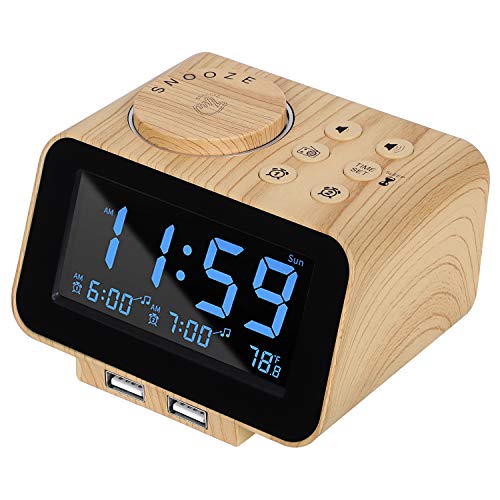 uscce Digital Dual Alarm Clock Radio with 0-100%
|
8.8/10 | Buy |
 EC VISION Target Alarm Clock with Laser Gun
|
8.6/10 | Buy | |
| Best Budget |
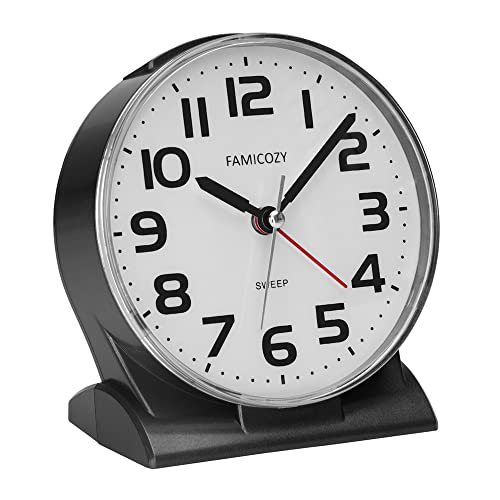 FAMICOZY 4.5-Inch Silent Analog Bedside Alarm
|
8.3/10 | Buy |
AYRELY 4.5-Inch Loud Analog Alarm Clock for Heavy
The AYRELY 4.5-Inch Loud Analog Alarm Clock combines a silent quartz sweep movement with twin mechanical bells reaching up to 100 dB for deep sleepers. Powered by a single AA battery with an on-demand 10-second dial light, it is ideal for anyone seeking a phone-free, ultra-loud bedside wake-up without annoying ticking sounds.
Pros
- Powerful mechanical bell produces up to 100 dB alarm sound designed for deep sleepers
- Silent quartz movement prevents distracting ticking sounds during rest or study
- One-touch oval night light button illuminates dial for 10 seconds automatically
- Glow-in-the-dark hour and minute hands offer quick time checks without turning on room lights
- Fully battery-operated design avoids nightstand cord clutter and functions through power cuts
Cons
- Mechanical bell volume cannot be adjusted or dialed down for gentle waking
- Requires one AA battery that is not included in the package
- Single analog alarm hand lacks separate weekday and weekend scheduling options
MARATHON Mechanical Wind-Up Alarm Clock
The Marathon Mechanical Wind-Up Alarm Clock delivers dependable morning wake-ups using a loud progressive interval ring and a high-contrast analog dial with 12- and 24-hour markings. Requiring no batteries or electricity, it is an excellent zero-glare bedside choice for digital detoxers, heavy sleepers, and emergency outage kits.
Pros
- Zero reliance on batteries or electrical outlets ensures waking reliability even during severe storms or blackouts
- Loud progressive interval ring provides an assertive wake-up without electronic audio distortion
- Integrated accuracy adjuster switch enables straightforward calibration if time drifts
- Dual 12- and 24-hour dial markings are legible and simple to interpret
- Luminescent hand accents offer low-light readability without casting an ambient room glow
Cons
- Requires routine manual winding to keep the clock movement and alarm mechanism active
- Mechanical clockwork produces an audible ticking sound that may bother noise-sensitive sleepers
- Luminescent hands require light exposure to charge and lack an electric on-demand backlight
uscce Wooden Digital Alarm Clock with 1.8-Inch
The uscce Wooden Digital Alarm Clock pairs high-contrast 1.8-inch blue numerals with a stepless 0-100% dimmer dial and loud dual alarms reaching up to 105 dB. It is a dependable nightstand choice for deep sleepers, light-sensitive individuals, and anyone wanting phone-charging convenience without bedtime clutter.
Pros
- Stepless 0-100% dimmer dial provides precise light management without rigid preset brightness jumps.
- Alarm reaches up to 105 dB with 5 volume steps, offering solid volume for deep sleepers.
- Battery backup operates the alarm during power cuts, preventing missed wake-up calls during overnight blackouts.
- Integrated USB port provides handy nightstand charging without hogging extra wall outlets.
- Clear 1.8-inch digits are easy to read from the bed without wearing eyeglasses.
Cons
- Display turns off completely during AC power outages when running solely on AAA backup batteries.
- Requires 3 AAA batteries for outage protection that are not included in the package.
- Blue display digits can be more stimulating in dark rooms compared to red or amber wavelengths.
uscce Digital Dual Alarm Clock Radio with 0-100%
The uscce Digital Dual Alarm Clock Radio combines a fully dimmable 3.4-inch LCD screen with weekday/weekend scheduling, two USB charging ports, and battery-backed alarm sound capability. It is a practical bedside solution for light-sensitive sleepers, couples on different schedules, and anyone seeking a compact nightstand timekeeper.
Pros
- Rotary dial provides continuous 0 to 100% display dimming for precise bedroom light control.
- Flexible alarm scheduling supports independent 5-day weekday, 2-day weekend, and 7-day wake times.
- Emergency battery backup maintains time and can actively sound the alarm during electrical outages.
- Dual USB ports and a 3.5mm headphone jack provide versatile nightstand utility without occupying extra outlets.
- Small footprint of 4.25 x 3.27 inches fits easily on crowded nightstands and bedroom dressers.
Cons
- Backup operation on 3 AAA batteries drains cells quickly and is strictly intended for short-term outages.
- USB charging ports do not supply power to external mobile devices when running solely on battery backup.
- USB charging cables and 3.5mm headphones are not included in the packaging.
EC VISION Target Alarm Clock with Laser Gun
The EC VISION Lock N' Load Target Alarm Clock turns morning wake-ups into an active target-shooting challenge with customizable voice or music ringtones. It is an engaging bedside option for deep-sleeping students, kids, and adults who struggle to wake up to standard static buzzers.
Pros
- Gamified wake-up mechanism forces mental engagement to curb morning oversleeping
- Custom voice recording feature lets you set personalized wake-up greetings or songs
- Includes interactive target shooting game modes for casual daytime fun
- Compact and lightweight design fits neatly on crowded desks and nightstands
Cons
- Batteries are not included in the package and must be purchased separately
- Lacks dedicated AC wall power for users who prefer continuous outlet-driven timekeeping
- May require practicing target aim to avoid morning frustration when groggy
FAMICOZY 4.5-Inch Silent Analog Bedside Alarm
The FAMICOZY 4.5-inch analog bedside alarm clock features a silent sweep second hand, high-contrast bold numerals, and a gentle crescendo wake-up alarm powered by two AA batteries. It is an ideal, hassle-free bedside timepiece for seniors, light sleepers, and digital detoxers seeking simple knob-based controls without glowing screen glare or confusing menus.
Pros
- Silent sweep second hand eliminates repetitive ticking noises that disturb light-sensitive sleepers
- Large, high-contrast numerals and an angled face ensure clear visibility for seniors and visually impaired users
- Simple physical interface with rear adjustment knobs and a distinct side on-off toggle requires no digital programming
- Top-mounted dual snooze and soft backlight button activates an eye-friendly 5-second illumination in pitch darkness
- Cordless design runs on standard AA batteries, making nightstand placement clean and independent of wall outlets
Cons
- Requires manual time and alarm setting via rear knobs without automatic network or atomic synchronization
- Dial illumination is strictly on-demand for five seconds and does not provide continuous nighttime visibility
- Runs exclusively on two AA batteries that are not included in the package
A Complete Guide to Operating and Calibrating Mechanical Bedside Clocks
Mechanical timepieces rely on physical kinetic energy stored inside coiled mainsprings rather than digital microchips or AC wall adapters. Understanding how these mechanical components interact allows you to set wake-up schedules with confidence and maintain accurate daily timekeeping. While modern electronics dominate nightstands, mechanical and analog clocks continue to provide unmatched tactile feedback and freedom from electrical outlets. By following the proper physical adjustments, you can keep your clock running smoothly for years without unexpected morning failures.
Anatomy of Mechanical Dials and Rear Controls
The back casing of a true mechanical wind-up clock features distinct keys, knobs, and levers that perform dedicated physical functions. Unlike digital devices that share multiple tasks across a single button, mechanical clocks provide isolated physical controls for winding and time adjustment. You will typically find two separate winding keys alongside two independent adjustment knobs. One winding key powers the timekeeping escapement, while the second key compresses the alarm bell spring.
Setting knobs are physically separated to prevent accidental slippage between the main hands and the wake-up indicator. The time-setting knob directly shifts the primary hour and minute hands across the clock face through a friction clutch mechanism. Next to it, a dedicated alarm-setting knob controls a specialized fourth hand, which is often shorter or colored differently to distinguish it from the time hands. Additionally, a mechanical alarm stop lever or pull-pin sits near the top or side to disarm the striker assembly.
Higher-grade wind-up timepieces often incorporate a small regulation slot or sliding lever marked with positive and negative symbols. This regulation switch physically alters the effective length of the balance spring to calibrate timing precision. In contrast, modern battery-operated analog clocks replace the winding keys with a battery compartment while retaining the rear dial knobs. Recognizing whether your clock is a spring-driven wind-up or a battery-powered quartz movement ensures you apply the correct maintenance and setup techniques.
Step-by-Step Procedure to Set the Time and Alarm Hand
Setting the current time on a mechanical clockwork movement requires gentle, deliberate rotation of the rear time knob. Always rotate the time knob in the direction indicated by the engraved arrow on the casing, which is usually clockwise. Turning the hands backward can strain the delicate teeth of the internal gear train or dislodge the minute arbor friction clutch. Advance the hands forward until they reflect the exact local hour and minute, checking the dial face directly to eliminate parallax viewing errors.
Once the primary time is synchronized, turn the alarm-setting knob to position the alarm indicator hand at your desired wake-up time. The alarm hand operates on a standard twelve-hour mechanical dial without distinction between morning and evening hours. Because the alarm mechanism triggers whenever the hour hand aligns with the indicator hand, setting an early morning alarm must be managed around your bedtime schedule. If you set the alarm indicator for seven o’clock at six o’clock in the evening, the bell will sound in one hour unless the disarm toggle remains engaged.
To prevent premature ringing, leave the mechanical alarm stop lever in the off or silenced position while preparing for sleep. Once the current hour has safely passed the alarm indicator point on the dial, slide the toggle into the active position. When precision matters, test the alignment by slowly rotating the time knob forward until you hear the internal release spring snap into place. This tactile click marks the exact moment the escapement releases the hammer, confirming your alarm hand calibration is aligned with the gear train.
Proper Winding Techniques and Spring Tension Management
Operating a mechanical clock requires regular manual winding to store kinetic energy inside the internal steel mainspring barrels. Most traditional wind-up models feature an independent spring for timekeeping and a separate spring for the bell striker. Insert your thumb and forefinger onto the timekeeping winding key and turn it smoothly in the direction of natural resistance. Rotate the key in steady half-turns rather than rapid jerks to distribute tension evenly across the internal spring coils.
Knowing when to stop winding is critical for preserving the longevity of the clockwork mechanism and preventing mechanical binding. Continue turning the key until you feel distinct, firm resistance signaling that the mainspring has reached full tension. Stop immediately once the key becomes difficult to rotate; forcing the key past this threshold can warp the arbor or slip the mainspring bridle. A fully wound mechanical movement typically delivers between twenty-four and thirty-six hours of continuous operation before requiring another winding session.
Wind the alarm bell key using the exact same gentle technique to ensure the striker hammer has sufficient force to ring clearly. If you leave the alarm spring unwound, the clock hands will continue moving, but the bells will remain silent when the alarm time arrives. Developing a consistent daily winding habit, such as turning both keys each evening before bed, ensures the clock never stalls unexpectedly. This deliberate mechanical routine creates a dependable bedtime rhythm that completely replaces modern digital notifications.
Calibrating Daily Drift with the Accuracy Regulation Lever
Mechanical clock movements naturally experience minor daily time drift due to ambient room temperature fluctuations and spring tension variation. As the mainspring unwinds from full tension to near empty, the energy transferred through the escapement to the balance wheel can subtly shift. To correct this variance, quality mechanical clocks feature an external regulation lever or screw mechanism. This control is commonly marked with plus and minus indicators or the letters F and S for fast and slow.
Calibrating your clock begins by monitoring its timekeeping accuracy against a reliable reference clock over a forty-eight-hour period. If the clock gains two minutes over two days, the balance wheel is oscillating too quickly and requires slight deceleration. Use a small screwdriver or your fingernail to nudge the regulator lever a fraction of a millimeter toward the minus or slow marking. Never make large adjustments in a single attempt, because even tiny movements of the regulator arm dramatically alter the active length of the hairspring.
After adjusting the regulator switch, reset the hands to the exact time and observe the movement over another full winding cycle. Continue making microscopic adjustments until the daily deviation falls within an acceptable tolerance of thirty to sixty seconds per day. Mechanical clocks rarely match the absolute precision of quartz crystal digital oscillators, but careful regulation provides dependable bedside reliability. Accepting this mechanical character is part of the appeal for sleepers who appreciate traditional craftsmanship over digital automation.
Acoustic Striker Dynamics and High-Decibel Awakening
The awakening power of a mechanical alarm clock comes from a physical metal hammer striking one or two resonant bells. Unlike electronic speakers that emit synthesized beeps, mechanical twin bells produce physical sound pressure levels that frequently reach up to one hundred decibels. The rapid reciprocating action of the hammer creates an intense acoustic alert that easily cuts through deep sleep cycles. Sleepers who consistently sleep through gentle smartphone chimes often discover that physical metal resonance provides a far more effective wake-up call.
Mechanical bells produce sharp acoustic transients that immediately stimulate the nervous system and disperse morning grogginess. However, sleepers who prefer a calmer wake-up experience may find mechanical bells overly jarring during early morning hours. Those who struggle with acoustic startle reactions might also look into gradual dawn simulation lights to complement high-output auditory alerts with natural circadian cues. Pairing light with sound allows your body to begin the wakefulness transition naturally before any loud acoustic alert triggers.
If your mechanical clock features an internal bell or a muffled casing, acoustic resonance can vary based on surface materials. Metal casings vibrate sympathetically with the bell mechanism, amplifying the total volume generated across the room. Checking that the external hammer swings freely between twin bells ensures the alarm produces its full acoustic potential. Inspecting the striker before activating the alarm prevents silent mornings caused by physical obstructions or bent hammer shafts.
Nightstand Placement and Environmental Protection
The physical location of your mechanical clock influences both its acoustic output and its long-term mechanical health. Placing the clock on a hollow wooden nightstand acts like an acoustic soundboard, amplifying the steady ticking sound of the escapement throughout the night. Light sleepers who are sensitive to rhythmic sounds can place a small cork or felt coaster beneath the clock feet to dampen contact resonance. This simple buffer absorbs cabinet vibrations while allowing the audible bells to project freely through the bedroom air.
Environmental factors such as high humidity, dust accumulation, and temperature swings can alter the viscosity of delicate clock oils. Keep your mechanical clock away from open windows, direct heat vents, and humid bedside humidifiers that could promote corrosion on steel pivots. Dust particles that enter unsealed casing vents can settle into the gear train teeth, increasing mechanical friction and causing premature stalling. Maintaining a stable, clean bedroom environment ensures that the internal gears, springs, and escapement operate with minimal resistance.
Comparing Mechanical Wind-Ups with Battery and Digital Clocks
Deciding between a traditional spring-driven clock and a modern electronic bedside device involves distinct lifestyle and functional trade-offs. Spring-powered clocks require zero batteries, electrical cords, or household power outlets, making them completely immune to municipal power outages. In contrast, battery-powered quartz analog clocks utilize silent stepping motors that eliminate audible ticking sounds while still offering physical bell strikers. Sleepers who value total darkness and whisper-quiet bedrooms often favor quartz analog movements that bypass mechanical ticking altogether.
Modern digital options expand bedside utility further by providing dual-alarm schedules, full-range display dimming, and device charging hubs. Sleepers seeking nightstand consolidation often choose modern multi-function charging alarm clocks to power mobile devices while maintaining dependable bedside wake-up routines. Digital clocks also eliminate twelve-hour alarm cycle limitations, allowing you to set separate weekday and weekend schedules with automatic shutoffs. However, digital units depend on active electrical supplies or battery backups that must be monitored over time.
Choosing the right bedside companion ultimately depends on whether you value tactile simplicity or electronic convenience. A true mechanical clock offers mechanical independence and tangible interaction that screen-based electronics cannot replicate. Battery quartz analog clocks bridge the gap by combining physical bells with noiseless continuous sweep movements. Digital clocks provide expansive customizable controls for busy multi-schedule households. Each category satisfies specific sleeper preferences, proving that classic mechanics and digital engineering both hold valuable places beside the bed.
Pre-Bedtime Verification and Failsafe Routines
Establishing a nightly verification routine guarantees that your mechanical clock performs flawlessly when morning arrives. Before dimming the bedroom lights, confirm that the mainspring has adequate winding tension to sustain both timekeeping and alarm ringing through the night. Double-check that the alarm indicator hand points accurately to your desired wake-up time rather than an unintended marker on the dial. Finally, verify that the physical alarm toggle switch is pulled or pushed into the active on position.
Executing these simple checks takes only a few seconds but prevents the anxiety of second-guessing your alarm in the dark. Because mechanical clocks operate without digital confirmation screens or illuminated status icons, physical verification provides complete peace of mind. Once your clock is wound, calibrated, and armed, you can relax into deep sleep knowing your wake-up system is entirely self-reliant. Mastering the tactile art of mechanical timekeeping transforms your morning wake-up routine into a dependable, distraction-free ritual.
About the author
Dan Caffrey is a Certified Sleep Science Coach and Certified Stress Management Coach with editorial experience covering sleep health and sleep products. He combines consumer-focused research with sleep science to explain product benefits, limitations, and suitability in clear, approachable language.