
How to Not Wake up Partner With Alarm: Silent Morning Solutions for 2026
Learn how to not wake up partner with alarm using silent wristbands, localized vibration, and light cues in October 2026 for peaceful shared mornings.
 By Daniel Noyed
Updated October 21, 2026
Sharing a bed while balancing conflicting morning schedules often turns the morning wake-up chime into a source of domestic tension. When one sleeper needs to rise at dawn for an early shift while the other remains in a restorative sleep stage, a blaring acoustic siren shatters the peace for everyone in the room. Figuring out how to not wake up partner with alarm requires shifting away from room-filling acoustic alerts toward localized sensory cues like haptic pulses, wearable alerts, and directional light. Choosing dedicated hardware designed for silent operation preserves sleep cycles and prevents morning resentment.
Modern bedside technology offers effective alternatives to harsh auditory buzzers, ranging from tactile wristbands to pillow-based vibrating pods and gradual dawn simulators. While standard top-rated bedroom alarm clocks rely on sound pressure levels to break through heavy sleep cycles, silent alternatives transfer motion directly to the body. Exploring these dedicated waking modalities allows early risers to stay punctual while keeping the bedroom dark, quiet, and completely restful for their partners.
| Award | Product | ACR Score About ACR ScoreThe ACR Score is our own rating from 0 to 10, based on performance, design and build, ease of use, and value. It reflects independent research and is never influenced by manufacturers, retailers, or affiliate commissions. Learn more › | |
|---|---|---|---|
| Best Overall |
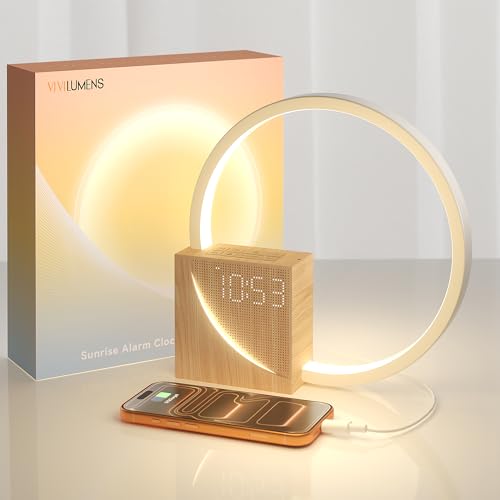
Vivilumens Sunrise Alarm Clock with Sound Machine
|
9.2/10 | Buy |
| Best Premium |
 Pavlok Shock Clock 2 Silent Wearable Alarm Clock |
8.9/10 | Buy |
 REACHER Vibrating Alarm Clock Watch |
8.6/10 | Buy | |
| Best Budget |
 REACHER Travel Vibrating Alarm Clock |
8.4/10 | Buy |
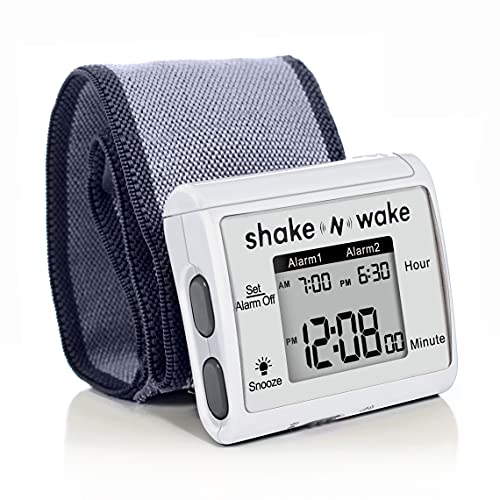 Tech Tools Shake N Wake Silent Vibrating Alarm |
7.8/10 | Buy |
Vivilumens Sunrise Alarm Clock with Sound Machine
The Vivilumens Sunrise Alarm Clock combines a 10-minute dawn simulation light with a 10-sound white noise machine, dual alarms, and an integrated USB charging port. Its warm wood-grain frame and gentle waking features make it a practical nightstand upgrade for heavy sleepers and early risers alike.
Pros
- Gradual 10-minute sunrise simulation supports a less jarring transition from deep sleep to morning alertness
- Built-in sound machine with 10 audio options and multiple timer intervals eliminates the need for a separate sleep aid
- Dual alarm settings with 12-hour and 24-hour display formats accommodate varying work and weekend schedules
- Integrated USB charging port keeps bedside charging neat without monopolizing extra wall outlets
- 12 volume steps and a standard 9-minute snooze cater to both light and heavy sleepers
Cons
- Display dimming is limited to three stepped brightness presets rather than a continuous 0 to 100 percent dial
- Sunrise progression duration is fixed at 10 minutes rather than offering extended custom dawn cycles
- Capacitive touch tube sensor can trigger falsely if touching powered cables or exposed metal cords on the nightstand
Pavlok Shock Clock 2 Silent Wearable Alarm Clock
The Pavlok Shock Clock 2 is a wearable wrist alarm that pairs silent vibrations, audible beeps, and adjustable electric zaps to wake heavy sleepers without disturbing a partner. Controlled via Android and iOS, it is a practical wake-up option for deep sleepers and students who regularly sleep through standard bedside alarms.
Pros
- Multi-stage wake sequence utilizes silent vibrations, beeps, or customizable electric zaps
- Interactive alarm shut-off tasks like jumping jacks, puzzles, or QR code scans prevent falling back asleep
- Wearable wrist design allows silent wake-ups that leave sleeping partners completely undisturbed
- Companion mobile app for Android and iOS allows personalized regulation of zap intensity
- Backed by a 1-year replacement warranty and 24/7 live customer support
Cons
- Requires wearing a wristband to bed rather than viewing a traditional nightstand tabletop display
- Electric zap stimulus and physical motion tasks may feel too intense for sensitive sleepers
- Relies entirely on pairing with a smartphone app on Android or iOS to configure alarm settings
REACHER Vibrating Alarm Clock Watch
The REACHER Vibrating Alarm Clock Watch provides a silent, personal wake-up via progressive wrist vibrations, making it an excellent choice for couples, dorm residents, and hearing-impaired users. With its phone-free setup, auto-off display, and comfortable woven strap, it delivers reliable morning alerts without disturbing anyone else in the room.
Pros
- Progressive vibration wakes you without blasting noise across a shared bedroom
- Completely standalone operation requires no smartphone pairing, apps, or Wi-Fi
- Auto-off screen keeps the bedroom dark by preventing continuous light emission
- Rechargeable battery lasts up to 7 days with quick magnetic cable attachment
- Lightweight zinc and fabric housing with an adjustable hook-and-loop strap fits 140 mm to 210 mm wrists
Cons
- Supports only one active alarm at a time, requiring daily resets for varying schedules
- Lacks audible sound options, which may not suit sleepers who prefer audio alerts
- Requires wearing a device on the wrist overnight, which some sleepers may find unfamiliar
REACHER Travel Vibrating Alarm Clock
The REACHER Travel Vibrating Alarm Clock is a compact, silent wake-up device that replaces audio chimes with an escalating under-pillow vibration pattern and provides up to seven days of cordless battery life. It is an ideal solution for heavy sleepers, shift workers, and frequent travelers who need reliable waking without disturbing a sleeping partner.
Pros
- Vibration-only operation provides dependable waking without disturbing light-sleeping partners or roommates.
- Rechargeable battery delivers up to seven days of continuous cordless travel and bedside performance.
- Smart ambient light sensor automatically lowers nighttime glare to support a dark, restful sleeping environment.
- Tactile raised-dot snooze button simplifies groggy morning navigation without fumbling for small switches.
Cons
- Completely lacks an audible speaker or chime mode, making it unsuitable for users who need sound-based alerts.
- Requires periodic weekly recharging via USB-C if operated away from a permanent bedside power source.
- Auto-dimming feature adjusts according to ambient room lighting rather than via a manual stepless rotary dial.
Tech Tools Shake N Wake Silent Vibrating Alarm
The Tech Tools Shake N Wake is a wearable, silent vibrating alarm clock crafted to wake you gently without disturbing a sleeping partner. With dual alarm settings visible on screen, an audible beep toggle, and a backlit display, it is well-suited for shift workers, couples, and hearing-impaired sleepers.
Pros
- Silent vibration wakes the sleeper directly without disturbing a partner sharing the bed
- Both alarm settings appear simultaneously on the primary screen for quick verification
- Can be worn on the wrist or placed beneath a pillow to suit individual sleep habits
- Offers a choice between tactile vibration and standard audible beeping alerts
- Lightweight 0.22-pound form factor provides excellent travel portability without nightstand clutter
Cons
- Vibration strength is designed for standard sleepers and may not provide enough force for heavy sleepers
- Requires one AAA battery that is not included in the package
- Lacks continuous ambient nightstand display illumination found on standard plug-in LED clocks
Practical Strategies and Technology for Silent Morning Awakening
Waking up punctually without disturbing a resting partner requires acoustic isolation and sensory targeting. Standard bedside clocks project sound waves omnidirectionally, meaning any chime loud enough to wake a deep sleeper inevitably penetrates the entire bedroom. Solving this issue requires decoupling the alarm mechanism from open-air acoustic speakers. Shifting toward direct haptic vibration, targeted light transitions, and wearable form factors allows early risers to achieve dependable punctuality while keeping the bedroom quiet.
Haptic Wristbands and Direct Sensory Stimulation
Direct tactile stimulation bypasses the auditory canal, delivering mechanical pulses directly to skin mechanoreceptors. When exploring how to not wake up partner with alarm setups, dedicated wristbands provide the highest level of physical containment. Devices such as the REACHER Vibrating Alarm Clock Watch utilize gradual haptic motors that gently pulse against the wrist before building in intensity for up to fifteen minutes. Because the motor sits directly against the arm, the physical vibrations remain completely silent to anyone sleeping beside you.
Standalone vibrating wristbands eliminate the notification fatigue and digital distractions common with modern smartwatches. The REACHER model features a dedicated interface with a zinc alloy chassis and breathable woven strap, allowing sleepers to program a single daily alarm without tethering to a mobile application. This setup prevents accidental nocturnal phone notifications from lighting up the bedroom and waking a partner. Simple wrist-worn options like the Tech Tools Shake N Wake also offer dual-alarm capabilities in a lightweight housing designed for comfortable overnight wear.
Battery reliability represents another critical consideration when relying on wearable tactile alarms. A wearable device that shuts down during the night can leave an early riser stranded without a wake-up cue. The REACHER wristband utilizes a magnetic charging connector and delivers up to seven days of continuous runtime on a single charge. Opting for hardware that provides multi-day endurance ensures that sleep schedules remain uninterrupted by frequent recharges.
Under-Pillow Vibration Puck Placement and Mattress Isolation
Sleepers who dislike wearing accessories to bed often turn to under-pillow vibration pucks as an effective alternative. These compact devices slide beneath the pillow, transferring mechanical vibrations upward through bone and tissue conduction while muffling acoustic transfer into the mattress. The REACHER Travel Vibrating Alarm Clock illustrates this architecture, utilizing a dedicated vibration-only profile that emits zero sound. This gradual vibration pattern builds steadily, allowing heavy sleepers to transition out of deep sleep without producing airborne noise.
Proper physical placement of an under-pillow vibration unit determines whether the alert remains localized. Positioning the unit directly beneath the crown or neck of the targeted sleeper concentrates vibrational energy where it is most needed. Memory foam and down pillows absorb residual lateral vibrations, preventing mechanical resonance from traveling through shared bed frames or box springs. Placing the unit away from the bed’s center ensures that mechanical pulses do not wake your partner.
Portability and tactile control buttons enhance the usability of under-pillow devices during groggy mornings. The REACHER travel clock features a raised-dot tactile snooze button that allows users to pause alerts by feel without turning on lamps or opening their eyes. Its USB-C rechargeable battery delivers approximately seven days of silent operation, eliminating the danger of tangled bedside charging cords. Dual-alarm scheduling also permits users to maintain separate weekday and weekend wake routines without resetting the hardware daily.
Sunrise Simulation and Directional Dawn Lighting
Circadian biology offers another effective pathway for non-intrusive waking through gradual dawn simulation. As demonstrated by the Vivilumens Sunrise Alarm Clock with Sound Machine, sunrise clocks brighten their light elements over a ten-minute window before the designated alarm time. This simulated dawn stimulates the retino-hypothalamic tract through closed eyelids, suppressing melatonin production and encouraging a natural cortisol rise. Early risers can use gradual light to ease the transition out of slow-wave sleep without relying on sudden acoustic jolts.
Using light effectively in a shared bedroom requires careful physical positioning and directional shielding. If a sunrise clock sits elevated in the middle of a room, the expanding lux output illuminates the entire space and wakes both occupants. Placing the clock on a low nightstand angled directly toward the early riser shields the sleeping partner from direct illumination. Incorporating an eye mask for the partner who sleeps later also creates complete optical isolation while allowing the early riser to benefit from light-based wakefulness.
Those who sleep deeply may find that light simulation works best when paired with gentle auditory cues or integrated white noise machines. In our guide to sunrise alarm clocks for heavy sleepers, gradual sound ramping and adjustable multi-level volume allow sleepers to wake without sudden panic. The Vivilumens clock features a twelve-level volume adjustment and soothing ambient tracks, allowing early risers to set the volume to a barely audible whisper that breaks their own slumber without carrying across the room.
Multi-Modal Conditioning and Fail-Safe Alerts
Deep sleepers often sleep straight through subtle vibrations, creating anxiety that a silent alarm might fail completely. For these individuals, multi-modal systems like the Pavlok Shock Clock 2 introduce behavioral conditioning to encourage timely awakening. The Shock Clock 2 can be configured to deliver a sequence starting with gentle vibrations, progressing to beeps if ignored, and finally administering a mild electrical pulse. This calibrated sensory stimulus trains the brain to anticipate the cue, frequently allowing users to wake up during the initial silent vibration phase.
Preventing accidental shutoffs while half-asleep is critical when relying on a silent system without backup chimes. The Pavlok system pairs with an Android or iOS application to enforce active disarm requirements, such as scanning a QR code located in another room or completing physical jumping jacks. Forcing the sleeper to physically leave the bed to turn off the alarm prevents groggy snoozing without waking the sleeping partner. This physical separation breaks morning sleep inertia without filling the shared bedroom with loud noise.
Customizing the stimulus progression ensures that the waking mechanism remains as mild and quiet as possible while maintaining reliability. Sleepers can dial down the intensity through mobile controls, tuning the haptic pulse or electrical stimulation to their personal arousal threshold. This degree of granular customization makes silent waking viable even for chronic oversleepers who typically rely on extra-loud sirens. The result is a consistent morning routine that removes stress for both partners.
Managing Split Schedules and Consolidating Nightstands
Couples working contrasting shifts frequently struggle with cluttered nightstands covered in separate clocks, charging cables, and secondary sleep accessories. Integrating multi-function hardware with dual-alarm capabilities streamlines the bedroom environment and reduces morning friction. Choosing devices with separate weekday and weekend configurations allows one partner to rise at five in the morning while the second partner remains undisturbed until eight. The Tech Tools Shake N Wake and REACHER Travel clock both feature independent dual alarms, ensuring that split schedules do not require reconfiguring settings every night.
Nightstand organization plays a substantial role in maintaining a peaceful bedroom environment. Tangled cords and misplaced chargers can lead to knocking items off tables in the dark, inadvertently waking a sleeping spouse. Pairing compact silent clocks with integrated wireless charging bedside clocks helps keep nightstands neat and ensures that wearable accessories stay charged. A tidy nightstand ensures that an early riser can reach for an alarm or glasses smoothly without fumbling or creating accidental disturbances.
When using multi-function devices, buyers must also consider capacitive touch sensitivity and cable management. Capacitive touch tubes on clocks like the Vivilumens model can experience electrical interference if unshielded charging cables rest against sensitive contact areas. Keeping external power cords elevated and neatly routed prevents false triggering or touch failures in the dark. Ensuring that bedside hardware operates reliably without unexpected chimes or flashing lights preserves tranquility for both bed partners.
Eliminating Bedroom Light Pollution and Audible Clicks
Solving the alarm volume dilemma does not matter if the bedside clock emits harsh display glare that ruins nighttime rest. Blue-tinted LED displays suppress natural melatonin secretion and create ambient glow that keeps light-sensitive partners awake. Bedside clocks designed for shared rooms should feature comprehensive dimming controls or ambient light sensors. The REACHER travel clock includes smart display sensing that automatically dials down screen brightness in dark rooms, keeping the digits visible to the early riser without illuminating the ceiling.
Display customization extends to total blackout options where the screen stays unlit until physically touched. The REACHER vibrating watch turns its display off automatically, allowing the user to check the time in pitch darkness with a single button press. Avoiding always-on displays prevents eye strain and eliminates reflective bounce off nearby mirrors or walls. Maintaining an unpolluted visual environment ensures that the partner who sleeps in can enjoy deep, uninterrupted rest throughout the morning hours.
Audible button clicks and loud confirmation beeps represent another common nuisance in quiet bedrooms. When programming an alarm late at night or toggling settings in the morning, a clock that emits piercing electronic beeps with every button press will instantly wake a partner. Selecting hardware that features silent tactile switches, quiet slide toggles, or vibration-only confirmation protects the silence of the bedroom during critical sleep windows. This quiet tactile operation ensures complete stealth from evening setup to morning wake-up.
Power Delivery, Backup Systems, and Travel Reliability
Power delivery architecture is a vital factor in selecting silent alarm hardware. Relying on an AC-powered clock without a functional battery backup creates vulnerability during nighttime power interruptions or accidental plug disconnections. Standalone wearable and under-pillow clocks usually rely on rechargeable lithium-ion cells or standard alkaline batteries. The Tech Tools Shake N Wake operates on a single AAA battery, offering simple replacement options without needing access to a wall outlet.
Rechargeable models with USB-C or magnetic charging interfaces provide convenient power management for home use and travel. A seven-day battery reserve, as seen on both REACHER silent clocks, allows users to take weekend trips or manage hotel stays without packing dedicated charging bricks. Keeping personal silent alarms fully self-contained ensures that business travel, shared dormitories, or camping trips do not disrupt roommates or travel companions. This versatility ensures you never revert to noisy phone alarms when away from home.
Verifying battery status before sleeping prevents catastrophic wake-up failures. Many silent clocks incorporate subtle battery level indicators that alert the user when remaining capacity drops below safe thresholds. Developing a routine where wearable or under-pillow alarms are charged during evening showers or weekend mornings guarantees that the vibration motors deliver their full mechanical force when morning arrives. Consistent charging habits provide total peace of mind for deep sleepers and early workers alike.
Practical Testing Protocols and Daily Implementation
Transitioning to a silent morning routine requires systematic testing before relying on it for high-stakes workdays. Deep sleepers who are accustomed to auditory sirens may not immediately respond to tactile vibrations on the first morning. Setting a silent vibration alarm five minutes prior to a standard audible smartphone alarm provides a safe transition period. Over several days, the nervous system adapts to the tactile stimulus, allowing the sleeper to cancel the audible backup before it ever sounds.
Communicating openly with your partner during the adjustment phase helps identify unexpected points of friction. Ask whether pillow vibrations resonate through the mattress or whether early-morning light simulation bleeds across the bed. Small adjustments, such as shifting a vibrating pod from the center of the pillow toward the outer edge or tilting a sunrise lamp away from your partner, can resolve minor complaints before they cause sleep deprivation. Honest feedback ensures that both sleepers achieve an optimal morning environment.
Ultimately, succeeding with silent wake-up technology relies on combining the right hardware with disciplined morning habits. Once the silent alarm activates, slipping out of bed without lingering or turning on overhead room lighting completes the silent exit. By matching personal sleep biology with targeted tactile or optical tools, anyone can maintain strict morning punctuality while preserving the peaceful, restorative sleep their partner deserves. A calm morning routine sets a positive tone for the entire household.
About the author
Daniel Noyed is a Certified Sleep Science Coach and experienced product editor with extensive knowledge of sleep health and sleep-related products. He has hands-on experience testing hundreds of products and translating technical features into practical guidance for everyday sleepers.