
Do I Have an Alarm Set? How to Check Bedside Clocks in 2026
Wondering do i have an alarm set before sleeping? Learn how to verify bedside clock indicators and avoid wake-up failures in October 2026.
 By McKenzie Dillon
Updated October 26, 2026
Few feelings disrupt evening relaxation quite like jolting awake in the dark and asking yourself, do i have an alarm set? That sudden surge of pre-sleep adrenaline often strikes right when you are drifting off, forcing you to squint at illuminated digits across your nightstand or scramble for physical controls. Relying on dedicated hardware rather than a distracting phone can streamline your evening routine, especially when using reliable timepieces like top-rated alarm clocks for bedrooms. A properly designed bedside clock provides immediate visual confirmation without pulling you into a vortex of late-night notifications or social media feeds.
Verifying your morning wake-up schedule comes down to understanding the physical toggles, LED status icons, and audio switches on your nightstand hardware. When you recognize whether a tiny status dot signifies an active chime or a silent standby mode, you eliminate the cognitive load that delays deep rest. Sleep hygiene thrives on predictability, and knowing exactly how your clock communicates its armed status gives you immediate peace of mind before closing your eyes. Taking control of these hardware cues prevents missed appointments, reduces morning cortisol spikes, and ensures your bedroom remains a calm sanctuary dedicated entirely to restorative sleep.
| Award | Product | ACR Score About ACR ScoreThe ACR Score is our own rating from 0 to 10, based on performance, design and build, ease of use, and value. It reflects independent research and is never influenced by manufacturers, retailers, or affiliate commissions. Learn more › | |
|---|---|---|---|
|
Alarm Lab IP Auto Alarm Dialer
|
7.8/10 | Buy | |
| Best Budget |
 Bubble Hugs 11oz Novelty Retirement Coffee Mug |
8.0/10 | Buy |
| Best Overall |
 Bubble Hugs 'No Alarm I Am Retired' 11oz Novelty |
9.2/10 | Buy |
| Best Value |
 Bubble Hugs 11oz Retired Coffee Mug |
9.1/10 | Buy |
 Bubble Hugs 'I Don't Have To Set An Alarm I Am |
8.9/10 | Buy | |
| Best Premium |
 Bubble Hugs 15oz Retirement Coffee Mug |
8.0/10 | Buy |
Alarm Lab IP Auto Alarm Dialer
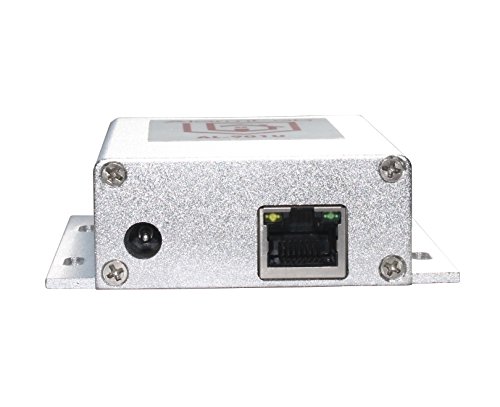
The Alarm Lab IP Auto Alarm Dialer connects directly to standard 9-24VDC security alarm panels and your internet router, transmitting free emergency phone call alerts to up to 10 numbers during alarm events. It is a practical notification upgrade for homeowners and deep sleepers wanting dependable mobile alerts from Honeywell, ADT, or DSC alarm systems without monthly monitoring fees.
Pros
- Calls up to 10 mobile or landline numbers at once when an alarm is triggered
- Broad compatibility with 9-24VDC siren outputs on Honeywell Vista, ADT, and DSC systems
- Low energy consumption drawing only 100mA at 12VDC from the panel
- Simple Ethernet router connectivity with no additional configuration required
- Free calling alerts eliminate ongoing monthly dialer subscription charges
Cons
- Relies strictly on an active Ethernet internet connection without integrated cellular backup
- Requires physical wiring to a 9-24VDC alarm panel siren output rather than plug-and-play bedside AC operation
- Functions solely as a network alert dialer without an integrated time display, clock face, or speaker
Bubble Hugs 11oz Novelty Retirement Coffee Mug
The Bubble Hugs 11oz Novelty Mug is a witty retirement keepsake celebrating the freedom of never setting a bedside alarm clock again. It is an ideal gift for retirees, seniors, and former shift workers ready to replace harsh morning buzzers with a relaxed cup of coffee.
Pros
- Fun, relatable message celebrating the end of daily alarm clocks and morning rush
- Standard 11-ounce size fits easily under most single-serve coffee makers and kitchen cabinets
- No power cords, dimming adjustments, or complex button programming required
- Makes an affordable, lighthearted gift for retirement parties and coworkers
Cons
- Serves as novelty drinkware rather than a functional electronic timekeeping device
- Provides no audible wake-up chime or digital time display for scheduled appointments
- Limited to an 11-ounce capacity for those who prefer oversized morning mugs
Bubble Hugs 'No Alarm I Am Retired' 11oz Novelty
The Bubble Hugs 'I Don't Have To Set An Alarm I Am Retired' 11oz mug is a humorous morning novelty cup that playfully celebrates leaving behind early morning buzzers and wake-up schedules. It makes a fitting retirement gift for coworkers, engineers, and family members ready to enjoy slow, unscheduled mornings.
Pros
- Humorous 'I Don't Have To Set An Alarm' print celebrates the end of early wake-up calls
- Standard 11oz capacity fits comfortably under most single-serve pod coffee makers and drip carafes
- Versatile gift choice for retiring coworkers, engineers, managers, or family members
- Clean white aesthetic with high-contrast lettering that stands out on any kitchen counter
Cons
- Novelty drinkware item that does not provide digital timekeeping, alarm audio, or clock functions
- 11-ounce volume may require multiple refills for those who prefer larger travel-sized mugs
- Theme is specifically tailored to retirees and is not applicable for active daily commuters
Bubble Hugs 11oz Retired Coffee Mug
The Bubble Hugs 11-ounce black coffee mug is a humorous novelty gift celebrating permanent freedom from early morning bedside alarm clocks. It suits recent retirees, coworkers, and family members ready to trade loud wake-up buzzers for relaxed morning coffee routines.
Pros
- Humorous message celebrating the end of rigid alarm schedules and early commutes
- Familiar 11-ounce capacity suitable for everyday morning coffee or tea
- Versatile gift choice for retiring colleagues, family members, or friends
- Clean black aesthetic with bold, readable text
Cons
- Novelty drinkware item with no electronic timekeeping or wake-up alarm functions
- Theme is specifically tailored for retirees rather than active workers needing morning scheduling
- Standard 11-ounce capacity may feel small for those who prefer oversized travel mugs
Bubble Hugs 'I Don't Have To Set An Alarm I Am
The Bubble Hugs 11-ounce ceramic mug celebrates retirement with a witty message about leaving early alarms behind. It offers a lighthearted morning routine accent for recent retirees and former shift workers stepping away from strict wake-up schedules.
Pros
- Witty retirement message celebrating schedule-free mornings without buzzing alarms
- Practical 11-ounce size fits standard coffee makers and bedside drink coasters
- Produces zero nocturnal blue light, electrical hum, or annoying display glow
- Simple, passive design requires no power cords, adapters, or battery backup
Cons
- Provides no electronic timekeeping, alarm speaker, or automated wake-up functionality
- Not suitable for households or individuals who still require an active morning alarm
- Ceramic material can chip or crack if dropped onto hard bedroom or kitchen floors
Bubble Hugs 15oz Retirement Coffee Mug
The Bubble Hugs 15-ounce novelty mug celebrates the freedom of retirement with its humorous message about leaving alarm clocks behind. It offers a lighthearted morning routine companion for retirees, former commuters, and seniors who are ready to sleep in.
Pros
- Playful retirement-themed design celebrating an alarm-free lifestyle
- Generous 15-ounce size holds a substantial serving of morning beverages
- Zero electronic emissions, light bleed, or electrical humming at the bedside
- Practical gift for retiring colleagues, parents, and friends
Cons
- Provides no active time display, timer functionality, or wake-up alarm alerts
- Not a replacement for electronic timekeeping if medication or appointment reminders are needed
- Fragile ceramic drinkware construction requires care to avoid chips or spills near the bed
How to Verify, Manage, and Troubleshoot Bedside Alarm Status
Determining whether your morning wake-up chime is actively programmed does not need to be a late-night guessing game. Most digital timepieces communicate their operational readiness through illuminated icons, dedicated mechanical switch positions, or subtle alphanumeric indicators on the front panel. By learning how your specific nightstand hardware displays its active schedule, you can instantly confirm your settings without fumbling through instruction manuals or breaking your sleep rhythm. Taking a moment to understand these visual and physical cues turns nighttime verification into a seamless, automatic habit.
Decoding the Visual Indicators and Status Icons on Bedside Displays
Most modern digital alarm clocks rely on segmented liquid crystal displays or light-emitting diode arrays to report their current operational status. An active chime is typically signaled by a dedicated bell icon, a small illuminated dot, or an abbreviated text indicator resting next to the primary time digits. If that indicator is unlit, your clock will not sound in the morning, regardless of what wake-up time was previously entered into the internal memory. Recognizing whether this icon is present gives you immediate confirmation before turning off your bedside lamp.
Checking this visual cue requires taking note of where the indicator appears relative to the main numbers. Some budget displays place a single illuminated dot in the upper left corner to indicate an active chime, while placing a nearly identical dot in the lower left corner to designate evening hours. Learning the precise geometric layout of these secondary screen segments allows you to verify your alarm status with a single glance across the bedroom. This familiarity is especially helpful when viewing the clock from a low mattress angle or in pitch darkness.
Avoiding the Classic AM Versus PM Programming Trap
One of the most frequent reasons people wake up late is accidentally scheduling a wake-up time for the evening instead of the morning. When programming a standard twelve-hour digital display, the presence or absence of an illuminated indicator completely changes whether the alarm triggers at dawn or dusk. If your target wake-up time is set for six in the morning, but the evening indicator is active during the alarm setup sequence, the clock will remain completely silent when the sun rises. This simple programming error remains a leading cause of accidental morning oversleeping across all digital timekeeping platforms.
Switching your clock to a twenty-four-hour military time format permanently eliminates this scheduling ambiguity. In a twenty-four-hour display configuration, early morning hours can never be confused with evening hours, completely removing the risk of misinterpreting a tiny dot in the corner of the screen. If your timepiece supports both display options, toggling over to twenty-four-hour mode provides foolproof visual confirmation whenever you review your daily schedule before turning off the lights. It takes only a brief adjustment period to get used to reading military time, and the added peace of mind is well worth the effort.
Tactile Controls Versus Buried Digital Menus
Physical interface ergonomics play a massive role in how confidently you can verify your alarm settings before falling asleep. Timepieces equipped with dedicated mechanical slide switches allow you to confirm your wake-up status by touch alone without opening your eyes or turning on a lamp. When a physical slider clicks into an unambiguous active position, tactile feedback reassures you that the internal circuitry is engaged, eliminating the mental doubt that leads to restless tossing and turning. Physical switches also resist accidental disruption, staying securely in place even if you brush against the clock in the dark.
Clocks that bury alarm controls behind multi-function buttons often introduce needless evening frustration. When a single button toggles between time adjustment, alarm programming, and display brightness, a tired user can easily disable an alarm while attempting to adjust the backlight. Dedicated hardware controls with physical separation between the alarm toggle and the top-mounted snooze bar ensure that disarming your morning wake-up requires an intentional, conscious action. This tactile separation prevents half-asleep users from turning off their alarms when they simply intended to pause them for a few extra minutes.
Power Outage Architecture: Operational Backup Versus Memory Retention
A common point of confusion occurs when homeowners assume their clock will sound during an electrical blackout simply because it holds backup batteries. In many bedside clocks, backup coin cells or small dry cells provide memory retention only, which keeps the internal quartz crystal oscillating while leaving the display and audio buzzer completely unpowered. If utility power drops overnight and fails to return before morning, a clock with passive memory retention will remain silent even though it remembers the programmed time. When mains power is finally restored, the clock display will light up with the correct time, leaving the user wondering why the alarm never sounded.
True operational battery backup architectures differ significantly because they maintain enough direct current to drive the physical alarm speaker and display during an outage. If you live in an area prone to severe weather or voltage brownouts, verifying whether your device supports active alarm sounding on secondary battery power is essential for reliability. You can safely test this capability by unplugging the wall adapter while the alarm is set to sound within two minutes, observing whether the acoustic alert triggers on battery power alone. Conducting this non-destructive test confirms whether your nightstand clock can be trusted during severe storms.
Dual-Alarm Scheduling for Split Shifts and Partner Routines
Couples sharing a bedroom or professionals managing variable work shifts often depend on dual-alarm functionality to maintain distinct daily schedules. Most dual-alarm clocks feature separate channels, each paired with its own status icon and time register on the front panel. Asking yourself if your alarm is set requires confirming which specific channel is active, particularly if one partner wakes up significantly earlier than the other. If only one channel is illuminated, the clock will sound only once, which can leave the second sleeper stranded without a wake-up call.
Advanced digital clocks also incorporate weekday and weekend scheduling filters that automatically mute alarms on designated rest days. While a five-day weekday mode prevents weekend interruptions, it can lead to missed alarms if you work a rotating shift or need to wake early on a Saturday morning. Double-checking both the channel number and the active day filter ensures that your planned wake-up routine aligns perfectly with tomorrow’s actual commitments. Taking five seconds to glance at both indicators eliminates scheduling conflicts between partners sharing the same bedside table.
Nightstand Multitasking, Charging Interference, and Sleep Hygiene
Bedside tables have evolved into central charging hubs for personal electronics, creating both convenience and potential sleep disruptions. Pairing your timekeeper with a multi-device charging station, such as an integrated alarm clock and wireless charger, can clear away tangled cables and keep your nightstand tidy. However, placing a smartphone directly next to your pillow often tempts you to unlock the screen, inviting blue light and late-night notification anxiety that disrupts natural melatonin production. Moving your phone across the room while relying on a standalone clock creates a healthier psychological boundary between technology and rest.
Consolidating your nightstand setup also requires being aware of electronic coil whine and transformer hum from auxiliary charging pads. Low-quality power bricks can emit high-frequency electrical noise that becomes gratingly obvious in a quiet master bedroom. Investing in well-shielded hardware keeps your sleeping environment quiet while ensuring that your bedside clock maintains uninterrupted power to ring precisely when scheduled. A quiet, stable electrical connection ensures that neither high-frequency hums nor sudden power flickers will interfere with your sleep or your morning schedule.
Acoustic Volume Ramping and Heavy Sleeper Arousal Modalities
Knowing your alarm is armed provides little comfort if the auditory alert is set too quiet to pierce through deep sleep cycles. Digital clocks generally feature adjustable decibel outputs ranging from gentle fifty-decibel chimes up to piercing ninety-decibel or one-hundred-decibel alerts designed for heavy sleepers. If your device includes an external volume wheel or stepped volume slider, physically checking that the switch was not bumped down to zero during daytime dusting prevents silent wake-up failures. A volume check is just as critical as confirming the programmed time on the display face.
For sleepers who struggle with loud, jarring buzzers that trigger morning adrenaline spikes, alternative waking modalities offer a gentler awakening. Many sleepers benefit from sunrise alarm clocks for heavy sleepers that combine gradual light transitions with progressive acoustic ramps. Verifying that both the light progression and the secondary audio alarm are toggled on ensures you receive the benefits of natural dawn simulation while retaining a reliable acoustic safety net. This dual-stimulus approach helps ease sleep inertia without relying solely on a shocking blast of noise.
When You Truly Do Not Need an Alarm: The Retirement and Vacation Perspective
For some fortunate individuals, asking whether an alarm is set is no longer a source of morning anxiety, but a humorous reminder of hard-earned freedom. Novelty gift items and humorous coffee mugs celebrating retirement, like the witty slogan drinkware from Bubble Hugs proclaiming that retired individuals never need to set an alarm, capture this relaxed lifestyle perfectly. Leaving the rigid world of morning buzzers behind marks a psychological milestone where natural circadian rhythms replace electronic deadlines. For retirees, glancing at a clock is simply a matter of casual curiosity rather than an urgent scheduling requirement.
Transitioning away from programmed wake-up schedules allows your body to awaken naturally at the conclusion of biological sleep cycles. Even for active professionals taking extended vacations, silencing bedside digital alarms for a week can help disperse accumulated sleep debt and restore cognitive balance. If your daily obligations temporarily cease, switching your physical clock to standby mode lets you enjoy unhurried mornings without the sudden shock of a piercing buzzer. Giving yourself permission to turn off your alarms during time off promotes deeper, more restorative sleep.
Remote and Specialized Alert Systems for Home Security
Bedside alerts are not limited strictly to morning wake-up chimes; specialized security dialers also guard residential properties against overnight hazards. Dedicated monitoring hardware, such as the IP Auto Alarm Dialer from Alarm lab, interfaces with residential security panels using standard Ethernet connections to notify mobile devices during an intrusion or emergency. These devices operate independently of bedside digital clocks, routing priority siren signals across local network infrastructure to ensure critical alerts reach homeowners immediately. When an alert panel triggers, automated systems bridge the gap between local sensors and remote communications.
Understanding the distinct function of home security dialers versus personal wake-up clocks prevents confusion regarding who or what receives notification signals. While your bedside clock focuses entirely on local acoustic tones to wake you for work, an automated dialer calls pre-programmed phone numbers during security breaches. Keeping both systems properly configured and connected to reliable power sources guarantees that routine mornings start smoothly while residential security remains vigilant. Verifying router connectivity and panel siren outputs ensures that your household stays protected around the clock.
Foolproof Evening Verification Protocol to Eliminate Nighttime Anxiety
Establishing a consistent fifteen-second bedtime verification routine permanently resolves pre-sleep schedule anxiety. Before turning off your bedside lamp, visually locate the primary alarm bell or status dot on your clock face to confirm it is actively illuminated. Next, glance at the morning or evening indicator to verify that your scheduled time corresponds to the morning hours rather than dusk. Confirming these two visual markers takes only a moment and prevents the frantic middle-of-the-night realization that your clock was never set.
Finally, confirm that your volume slider rests at an audible level and that your physical snooze bar has sufficient clearance without books or glasses resting on top of it. Completing these quick physical checks transforms bedtime from a state of uncertain worry into an effortless routine. Once you confirm that your bedside clock is properly armed and powered, you can settle into bed with complete confidence that your morning wake-up will proceed exactly as planned. This quiet certainty lets you fall asleep faster and wake up feeling refreshed.
About the author
McKenzie Dillon is a Certified Sleep Science Coach and experienced sleep-product editor who has personally tested dozens of sleep products. Her expertise bridges sleep technology, product evaluation, and practical guidance for creating more comfortable sleep and wake-up routines.